The New Grammar of Luxury
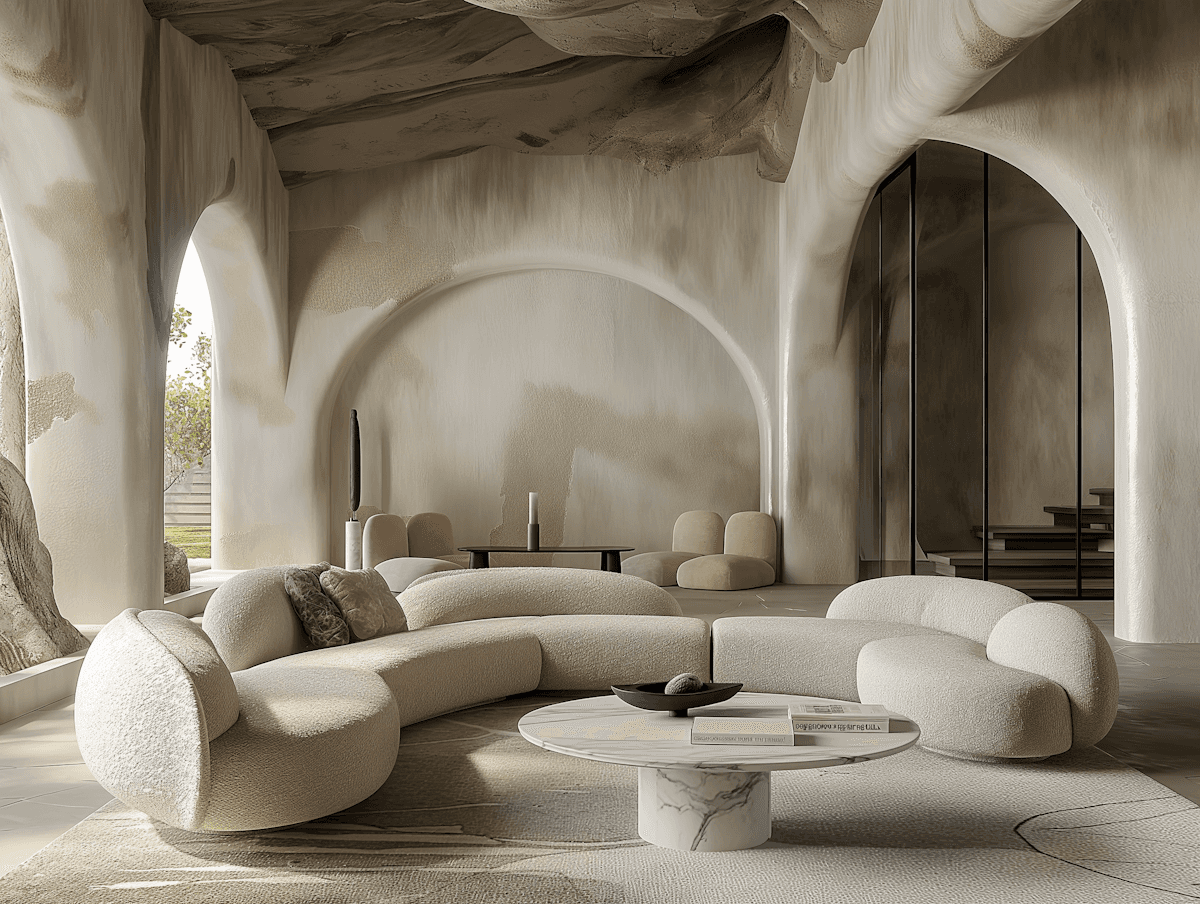
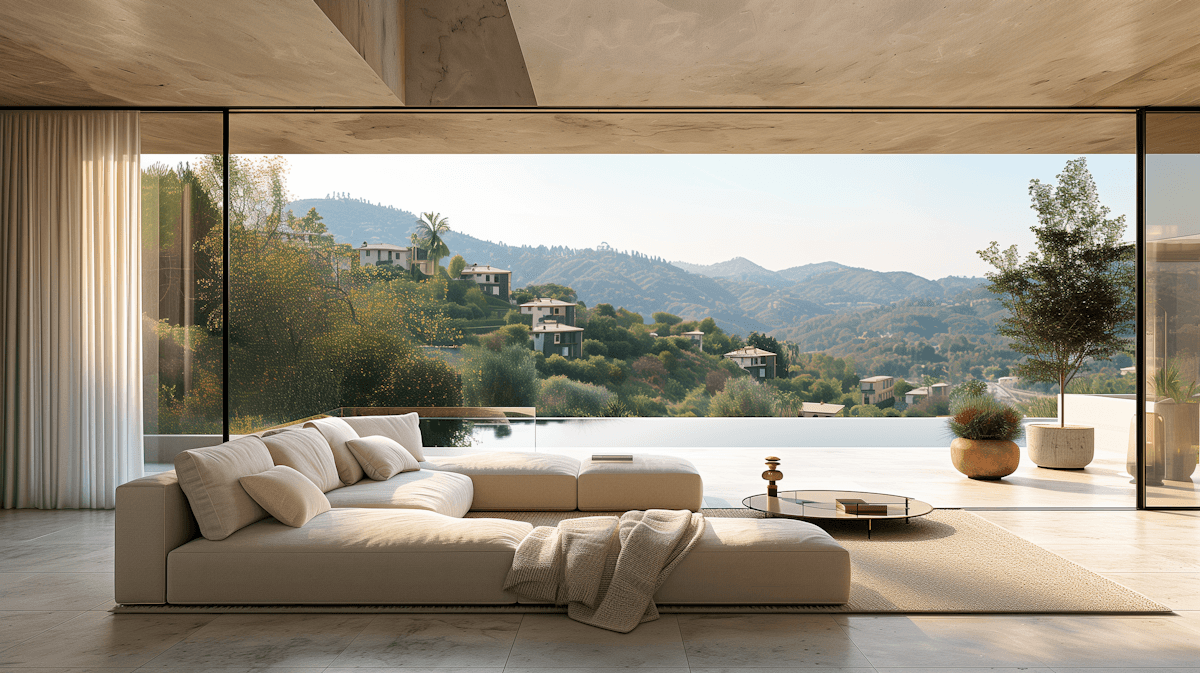
Modern luxury has moved beyond spectacle. Today, its most persuasive expression is found in editing: fewer gestures, stronger materials, and rooms composed with architectural clarity. The contemporary residence is no longer a showroom of possessions, but a sequence of deliberate moments — a marble threshold catching morning light, a sculptural chair placed with restraint, a kitchen detailed like fine cabinetry rather than utility.

Why Minimalism Still Feels Relevant
Clarifies the architectural bones of a room
Privileges craftsmanship over visual abundance
Encourages considered acquisition and longevity
Allows light, scale, and material to lead
The most sophisticated minimalist interiors are not austere; they are emotionally calibrated. Their power lies in the pause between objects, the discipline of alignment, and the confidence to let materiality carry the room. In a world of overstimulation, such spaces feel almost radical — serene, intelligent, and quietly sensuous.
A Language of Essential Detail
A pared-back room succeeds when every choice has presence. The grain of timber, the fall of a curtain, the profile of a plinth, and the negative space around a single artwork all become part of the composition. Minimalism at this level is not about reduction for its own sake; it is about refinement, where each object earns its place and each absence feels intentional.
This is luxury as precision: a home shaped by proportion, silence, and the quiet pleasure of beautifully resolved details.