The Beauty of Elemental Craft
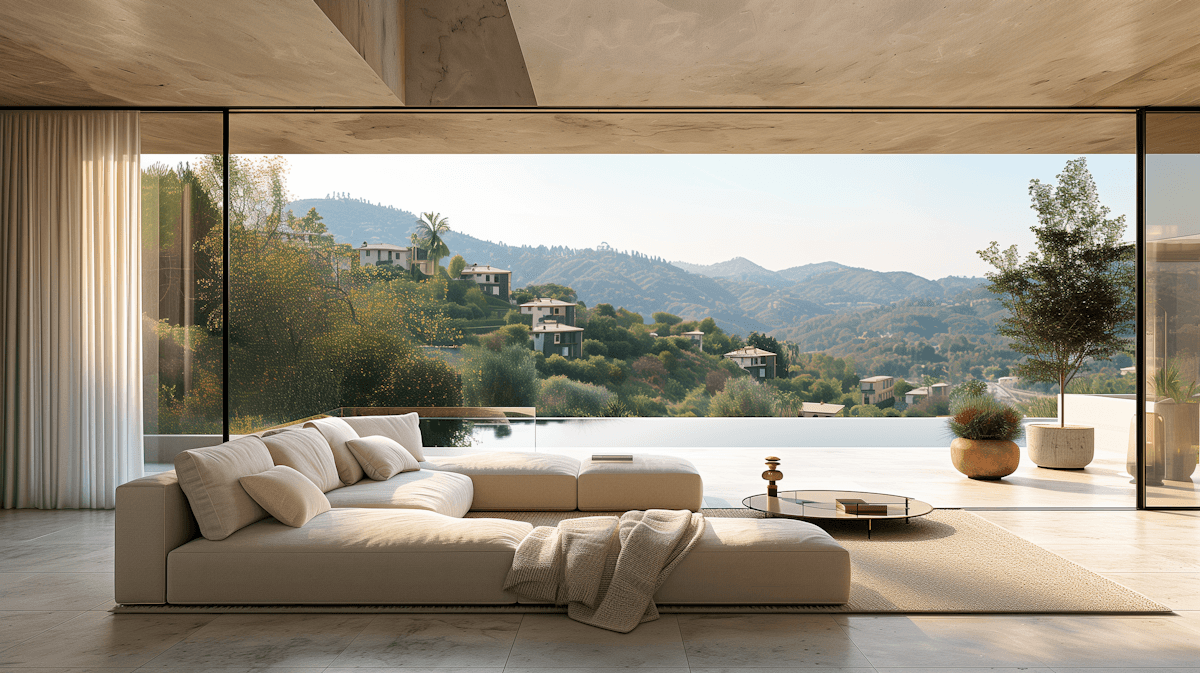
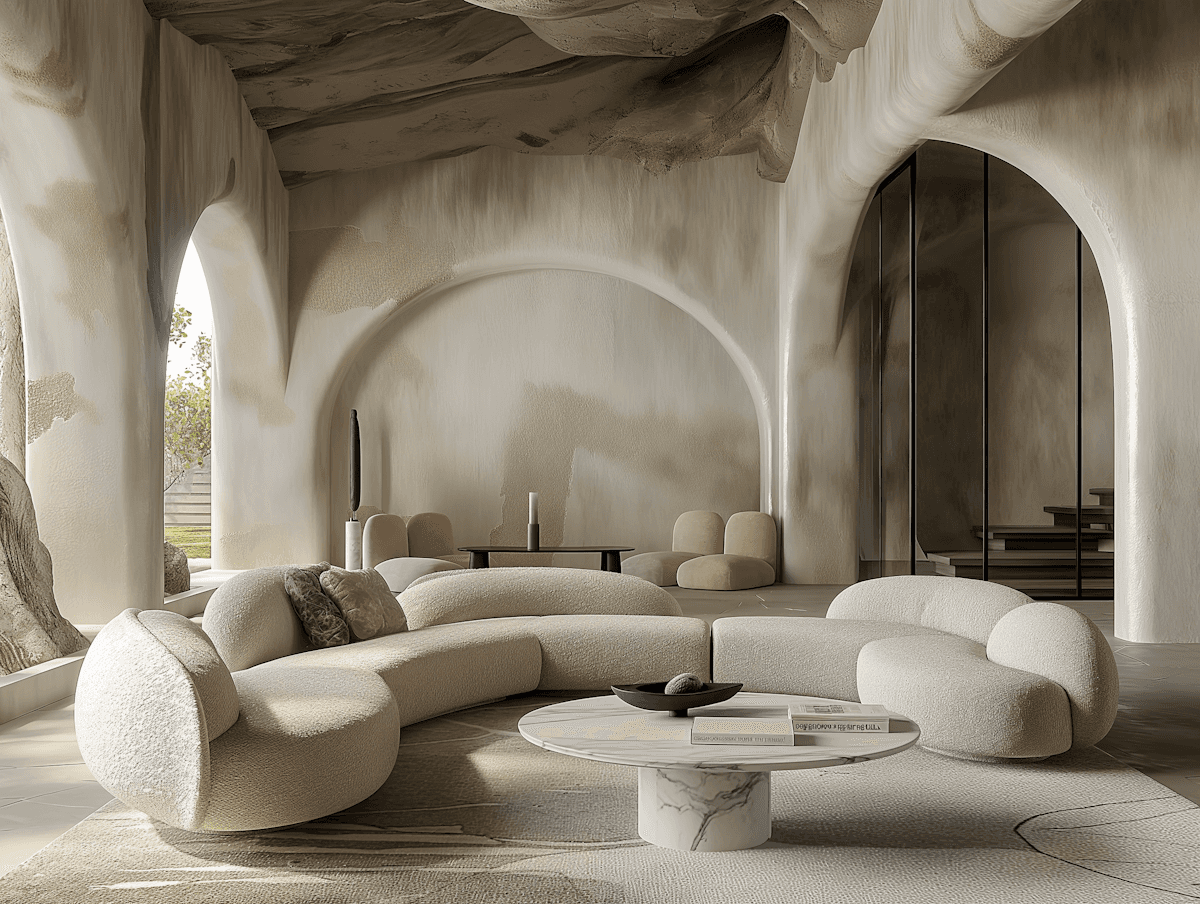
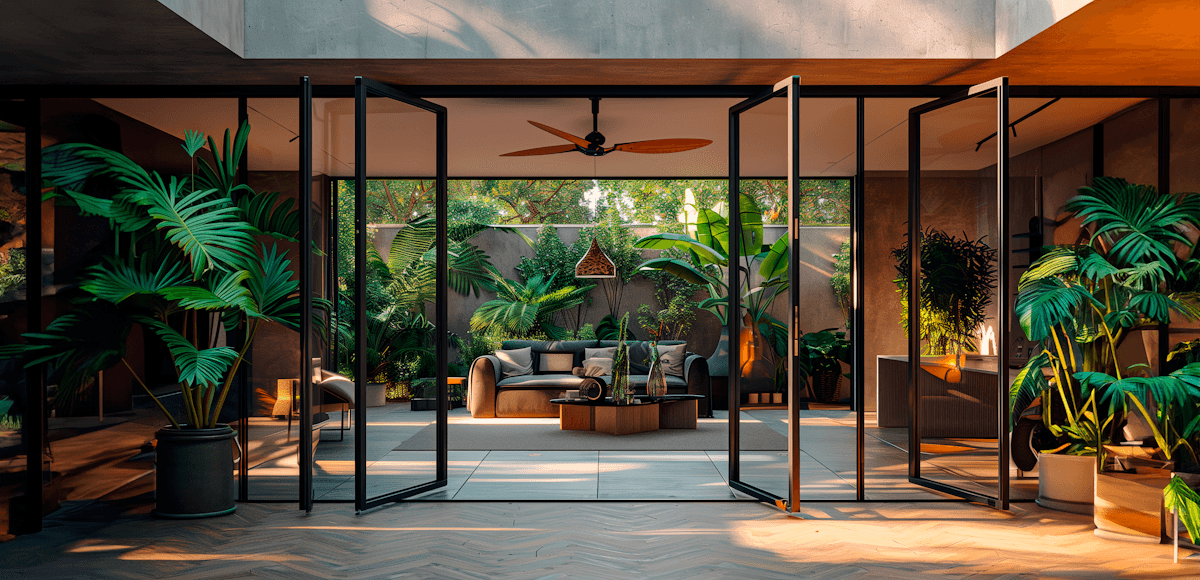
Natural materials possess a gravity that synthetic finishes rarely achieve. Stone, timber, clay, leather, plaster, and woven fibre bring architecture back into conversation with landscape. They age, deepen, and respond to light; they carry traces of origin and hand. In the most sophisticated interiors, these materials are not decorative accents but the foundation of atmosphere.
Why Materiality Defines Luxury
Introduces depth, tactility, and visual warmth
Connects interior architecture to place
Elevates simple forms through craft and finish
Creates surfaces that become richer with time
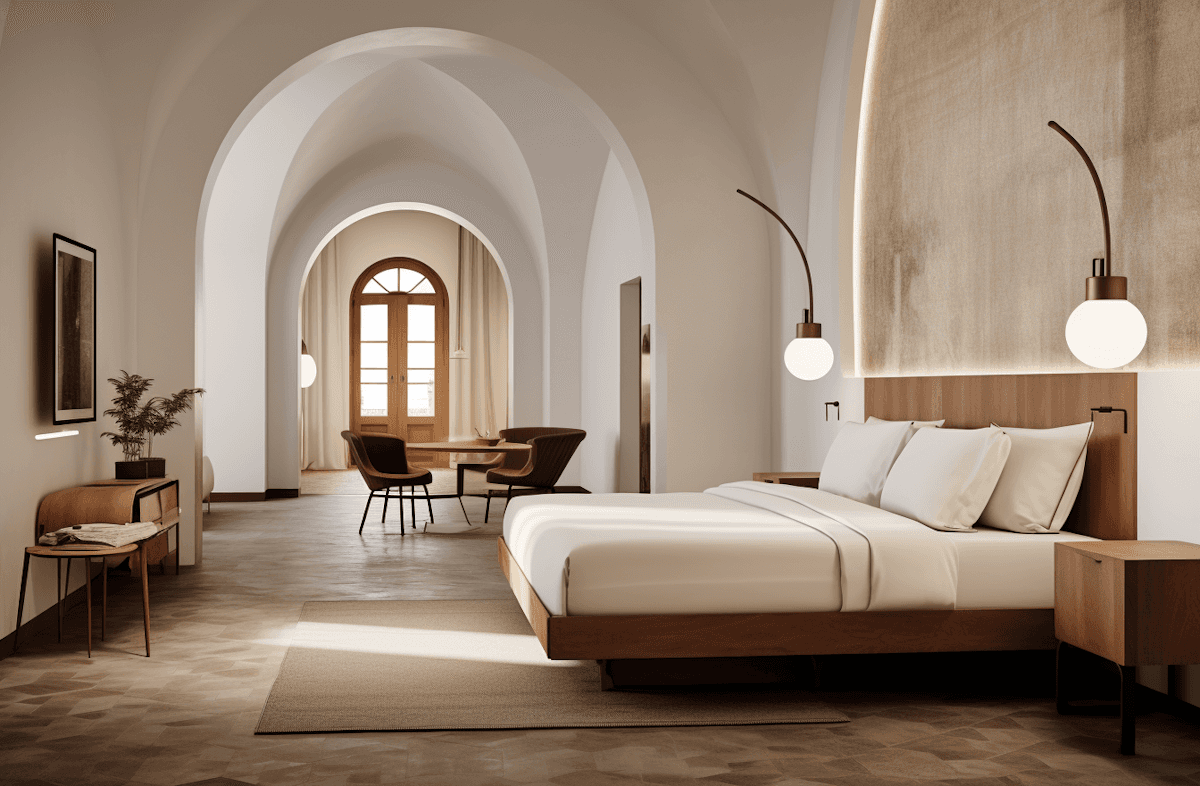
Material-led interiors ask for a slower gaze. A travertine basin, oak panelling, woven grasscloth, or hand-trowelled wall does more than complete a room — it gives the eye somewhere meaningful to rest. These elements temper contemporary lines with warmth, making even the most architectural spaces feel grounded and sensorial.
Composing With Texture and Light
The art lies in layering without clutter. Pair rough with polished, matte with reflective, dense with diaphanous. Let daylight graze stone, allow timber to absorb warmth, and use soft illumination to reveal the subtle relief of plaster or textile. When natural materials are composed with restraint, a room gains permanence — not as a static display, but as a living environment that matures beautifully.